Introduction
“How much does demolition contractor insurance cost?”
It’s one of the first questions a demolition contractor asks when shopping for coverage.
It’s also one of the hardest questions to answer without knowing anything about the company.
A contractor performing residential tear-downs on single-family homes presents a very different risk than a company demolishing large commercial structures.
A $2 million demolition contractor with experienced employees, few subcontractors, strong safety procedures, and a clean loss history may look very different to an underwriter than another $2 million contractor taking larger projects and experiencing repeated claims.
That’s why demolition insurance isn’t typically priced from a simple menu.
The premium is based on the risk.
At Apollo General Insurance Agency, demolition contractors are a specialty class of business. Understanding what actually drives insurance pricing can help contractors prepare better submissions, anticipate costs, and understand why one company may pay significantly more than another.
What You’ll Learn
- Why there isn’t one standard price for demolition contractor insurance
- What factors can affect demolition insurance premiums
- How revenue and payroll influence pricing
- Why your largest project matters
- How claims can affect your insurance cost
- Why subcontracting matters
- How coverage limits and contract requirements affect premiums
- What contractors can do to present their business more effectively to underwriters
There Is No Single Average Price for Demolition Insurance
If you search online for contractor insurance costs, you’ll find websites advertising surprisingly low monthly premiums.
Those numbers may be relevant to certain low-risk contracting businesses.
They should not automatically be applied to demolition.
Demolition presents specialized exposures involving structures, heavy equipment, neighboring properties, employees, subcontractors, underground utilities, debris, transportation, and potentially environmental hazards.
Pricing therefore requires an underwriter to understand the actual operation.
The more complex the risk, the more important those details become.
What Insurance Are We Talking About?
Another reason it’s difficult to answer “How much does demolition insurance cost?” is that demolition contractors may need several types of insurance.
An insurance program could potentially include:
- Commercial General Liability
- Workers’ Compensation
- Commercial Auto
- Contractors Equipment
- Contractors Pollution Liability
- Umbrella or Excess Liability
- Other project-specific or operational coverage
Each is priced differently.
A contractor asking about the cost of General Liability insurance is asking a different question from someone trying to determine the cost of their entire insurance program.
For this article, we’re primarily discussing the factors that can affect the cost of insuring a demolition operation overall.
1. Your Annual Revenue
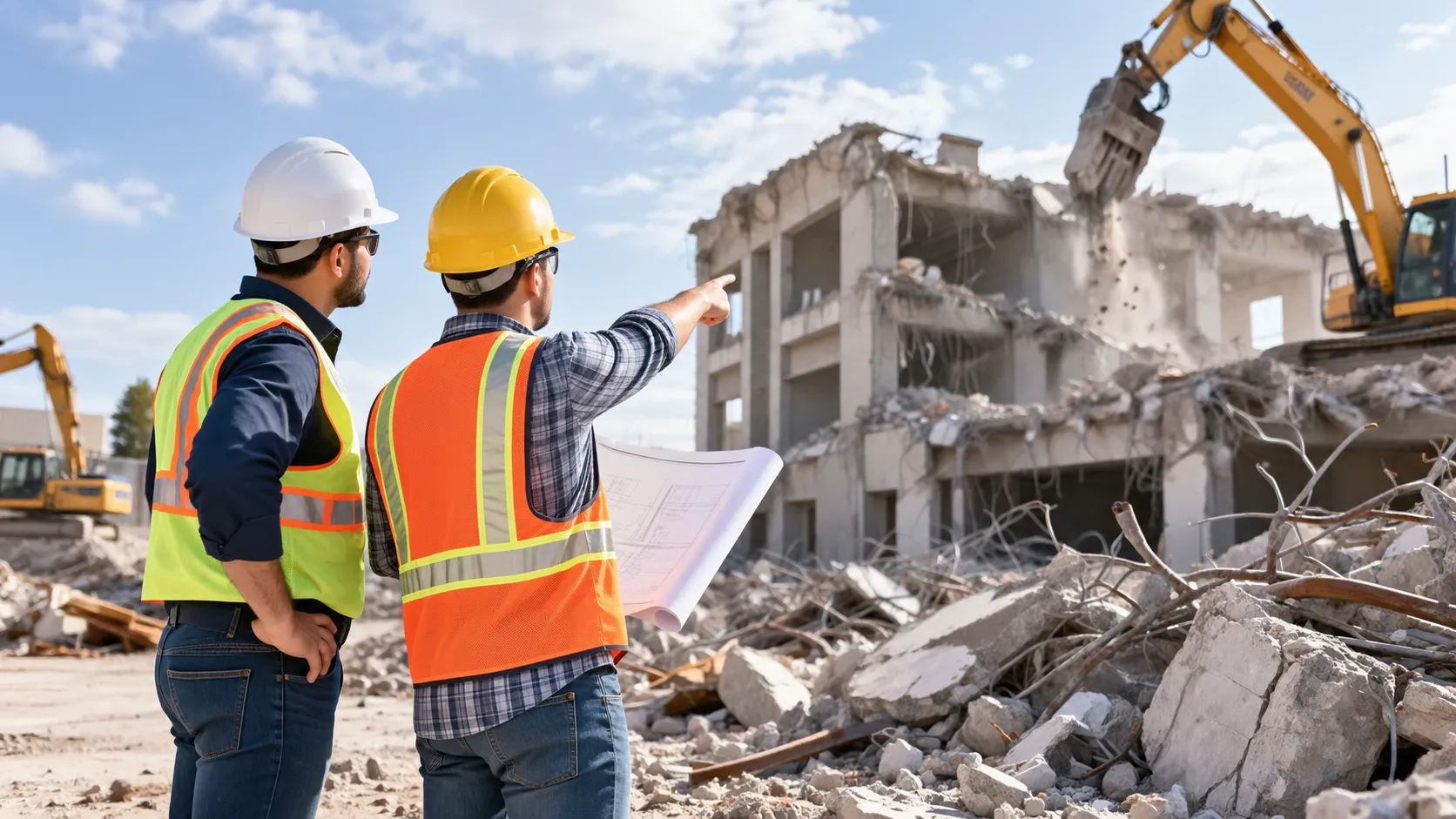
Revenue is one of the basic measurements insurers may use to understand the size of a contracting business.
Generally, a company generating $500,000 per year represents a different level of exposure than one generating $20 million.
More revenue often means:
- More projects
- Larger projects
- More customers
- More jobsite activity
- More employees or subcontractors
- Greater overall exposure
But revenue doesn’t tell the entire story.
Two contractors with exactly the same annual sales can still receive very different insurance pricing.
Why?
Because what generates that revenue matters.

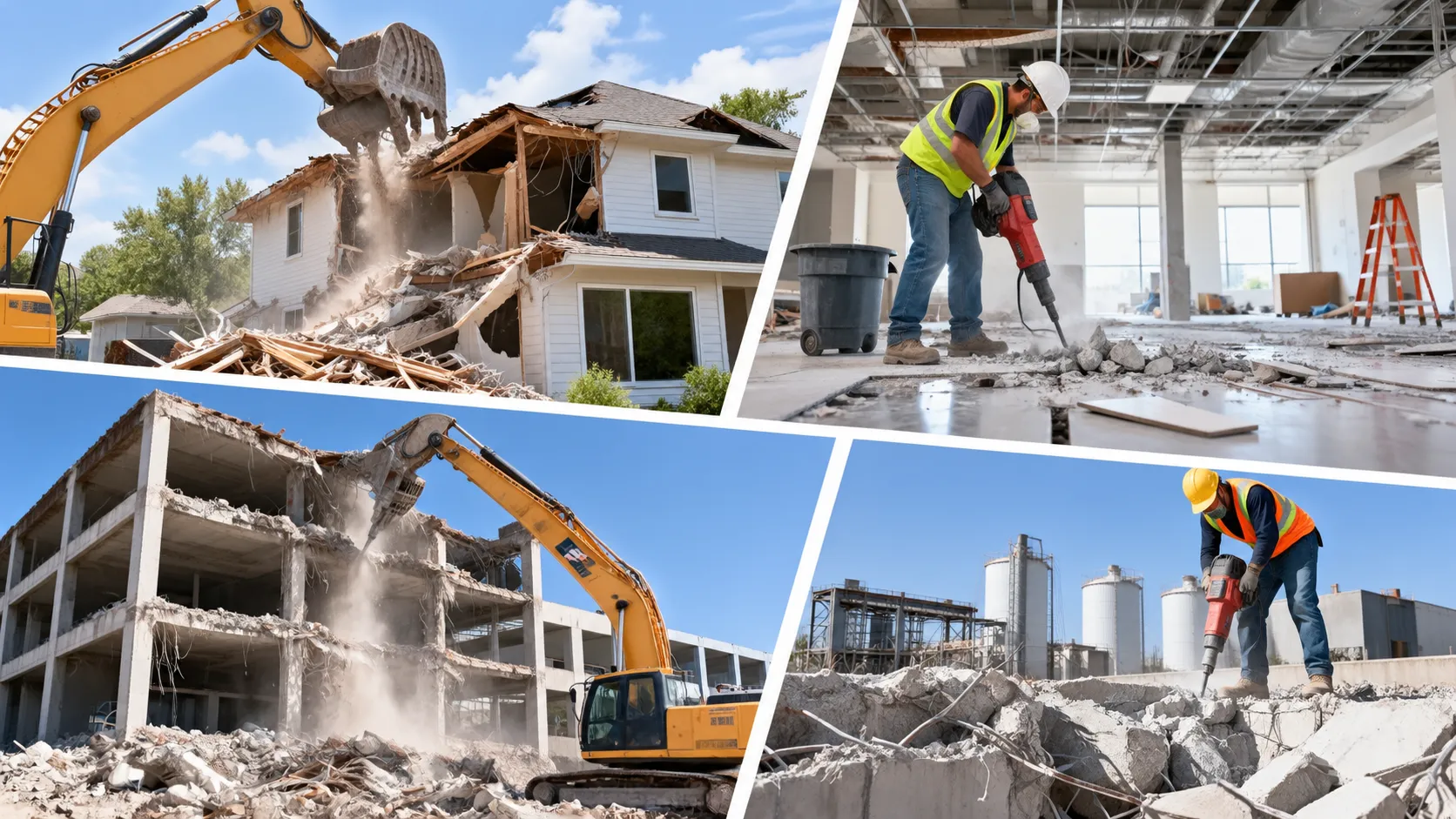
2. The Type of Demolition You Perform
This can be one of the most important considerations.
“Demolition contractor” can describe very different businesses.
You might specialize in:
- Residential tear-downs
- Commercial tear-downs
- Interior strip-outs
- Selective demolition
- Structural demolition
- Industrial demolition
- Concrete removal
- Other specialized demolition operations
The potential severity and complexity of a loss can differ dramatically between these activities.
An interior demolition contractor removing nonstructural materials inside relatively small buildings may be evaluated differently from a company bringing down large structures close to neighboring properties.
The more accurately you describe your work, the more accurately the underwriter can evaluate it.
3. Your Largest Project
Annual revenue tells the insurer how much work you perform.
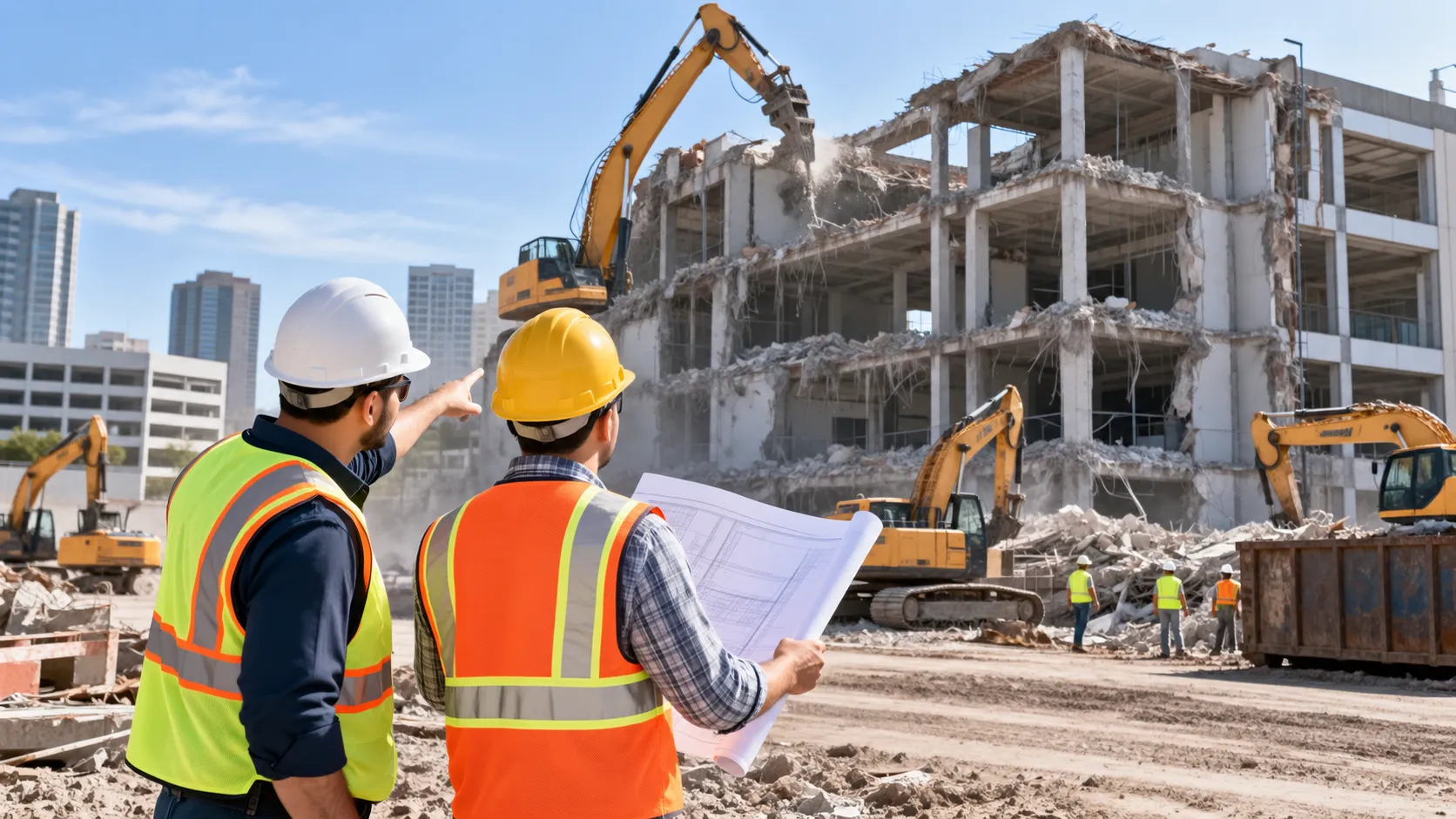
Your largest project helps reveal how much exposure might be concentrated in one place.
Consider two companies.
Contractor A
Annual revenue: $5 million
Largest project: $250,000
Contractor B
Annual revenue: $5 million
Largest project: $2.5 million
Their annual sales are identical.
Their risk profiles may not be.
A large project may involve:
- Larger structures
- Longer project durations
- More employees
- More equipment
- More subcontractors
- Higher property values
- More complex contracts
That’s why underwriters may ask about both the largest project you’ve completed and the largest project you expect to undertake during the policy period.
4. Building Height and Structural Complexity
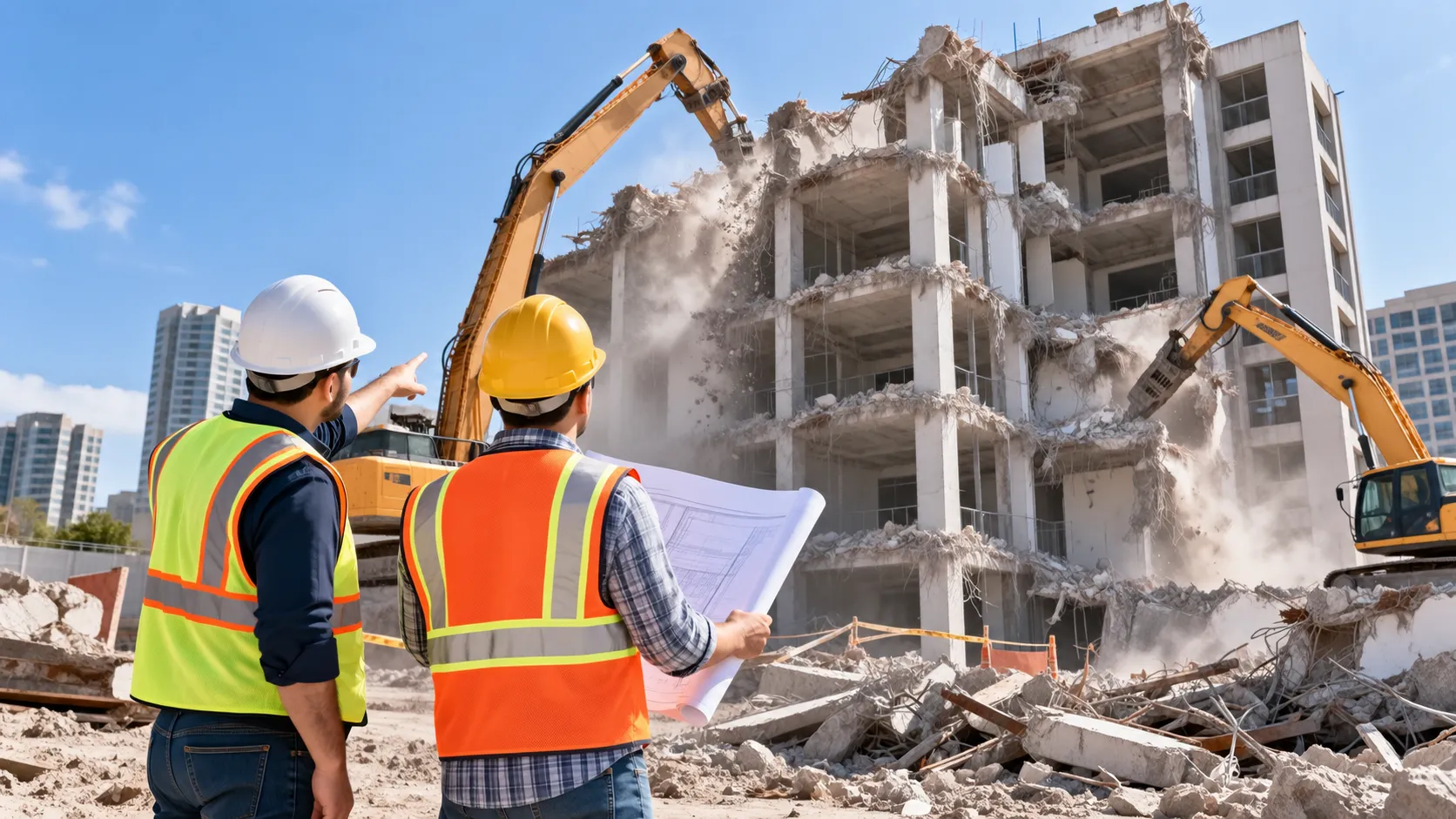
Taking down a single-story house isn’t the same as demolishing a multistory commercial structure.
Underwriters may want to understand:
- Maximum building height
- Number of stories
- Type of construction
- Structural characteristics
- Distance to neighboring buildings
- Project location
- Demolition methods
As structures become larger and more complex, the potential consequences of something going wrong may increase.
That can affect both eligibility and price.
5. Your Payroll
Payroll can be an important rating factor, particularly for Workers’ Compensation insurance.
Demolition involves employees working around:
- Heavy equipment
- Falling debris
- Tools
- Elevated areas
- Uneven surfaces
- Dust
- Noise
- Structural hazards
The number of employees, their job classifications, payroll, experience, and work activities can all influence the insurance picture.
A growing workforce may therefore increase insurance costs even if revenue remains relatively stable.

6. How Much Work You Subcontract
Subcontracting can significantly affect underwriting.
An insurance company may want to know:
What percentage of your work is performed by subcontractors?
But that’s only the beginning.
It may also ask:
- What operations are subcontracted?
- How are subcontractors selected?
- Are written contracts required?
- What insurance limits must they carry?
- Do you obtain certificates of insurance?
- Are additional insured endorsements required?
- Do subcontractors ever subcontract their work again?
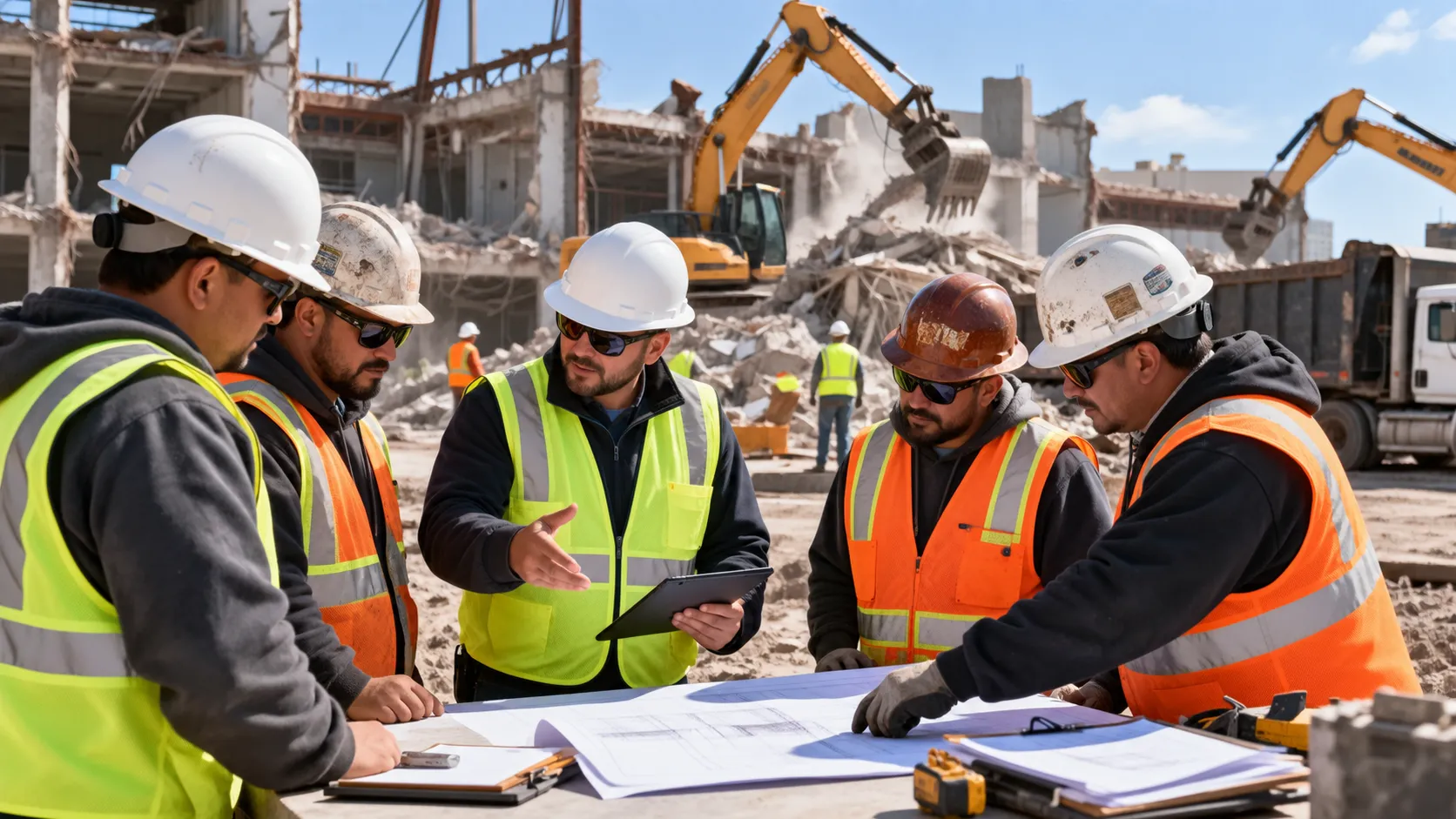
A demolition contractor with strong subcontractor controls can present a very different risk from one that hires companies informally without consistent insurance requirements.
7. Your Loss History
Your claims history can have a significant impact on both availability and cost.
Underwriters may review several years of loss runs to understand:
- Number of claims
- Types of claims
- Severity
- Frequency
- Whether losses follow a pattern
One large claim doesn’t automatically make a contractor a bad risk.
Likewise, a series of smaller claims shouldn’t automatically be dismissed simply because none was catastrophic.
Underwriters are often looking for patterns.
Repeated incidents involving similar causes may suggest a problem with procedures, training, supervision, equipment, or another aspect of the operation.
What If You’ve Had a Large Claim?
Explain it.
Don’t simply submit a loss run showing a significant claim and hope the underwriter ignores it.
Provide context.
Explain:
What happened?
What caused it?
What did the company learn?
What changed afterward?
Perhaps you changed a procedure.
Added training.
Changed equipment.
Hired a safety manager.
Increased supervision.
Modified subcontractor requirements.
An underwriter cannot give you credit for improvements they don’t know about.

8. Your Safety Program
Insurance companies aren’t only interested in what has gone wrong.
They’re interested in what you’re doing to prevent future losses.
A demolition contractor may be asked about:
- Written safety programs
- Employee training
- Toolbox talks
- Personal protective equipment
- Jobsite inspections
- Supervisor responsibilities
- Incident reporting
- Equipment procedures
- OSHA-related practices
A strong safety culture doesn’t guarantee lower premiums.
But weak safety controls can certainly make a demolition risk less attractive.
Demonstrating that safety is integrated into daily operations can help an underwriter better understand the quality of the company.

9. Employee and Management Experience
Experience matters in specialized contracting.
A newer company led by people with decades of demolition experience may present differently from a new company whose management has limited experience in the industry.
Underwriters may want to know:
- How long the company has operated
- How long the owners have worked in demolition
- Experience of key managers
- Experience of supervisors
- Employee training
- Relevant certifications
This becomes particularly important for newer businesses without a long company loss history.
Management résumés can help demonstrate the experience behind the operation.

10. Your Equipment
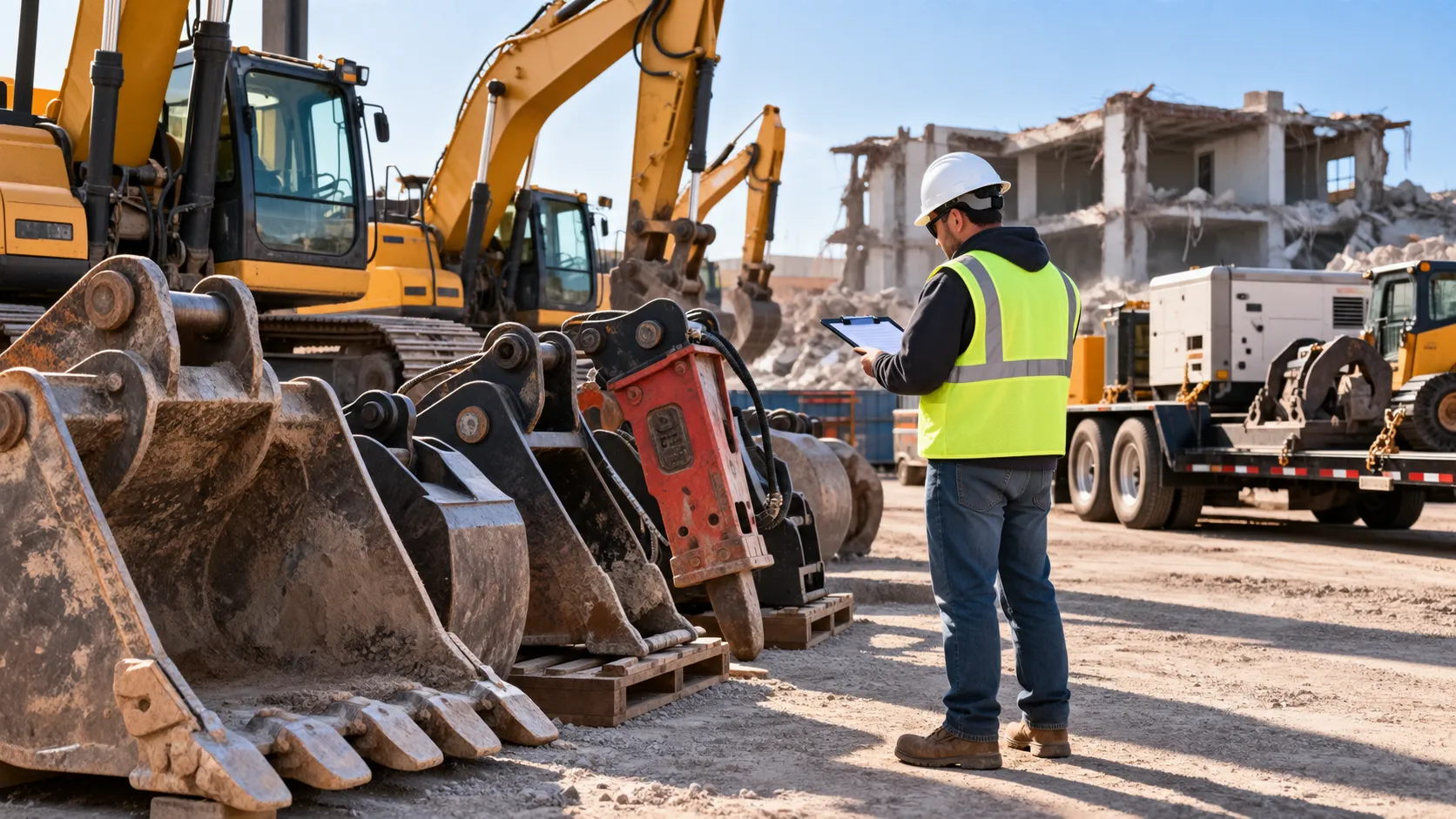
Demolition contractors can own substantial amounts of expensive equipment.
Depending on the company, that might include:
- Excavators
- Skid steers
- Loaders
- Breakers
- Crushers
- Attachments
- Generators
- Specialized tools
Contractors Equipment or Inland Marine insurance may be used to protect qualifying equipment against covered losses.
The more equipment you own—and the higher its value—the more it can contribute to the overall cost of your insurance program.
Where equipment is stored, transported, and used may also matter.
11. Your Commercial Vehicles
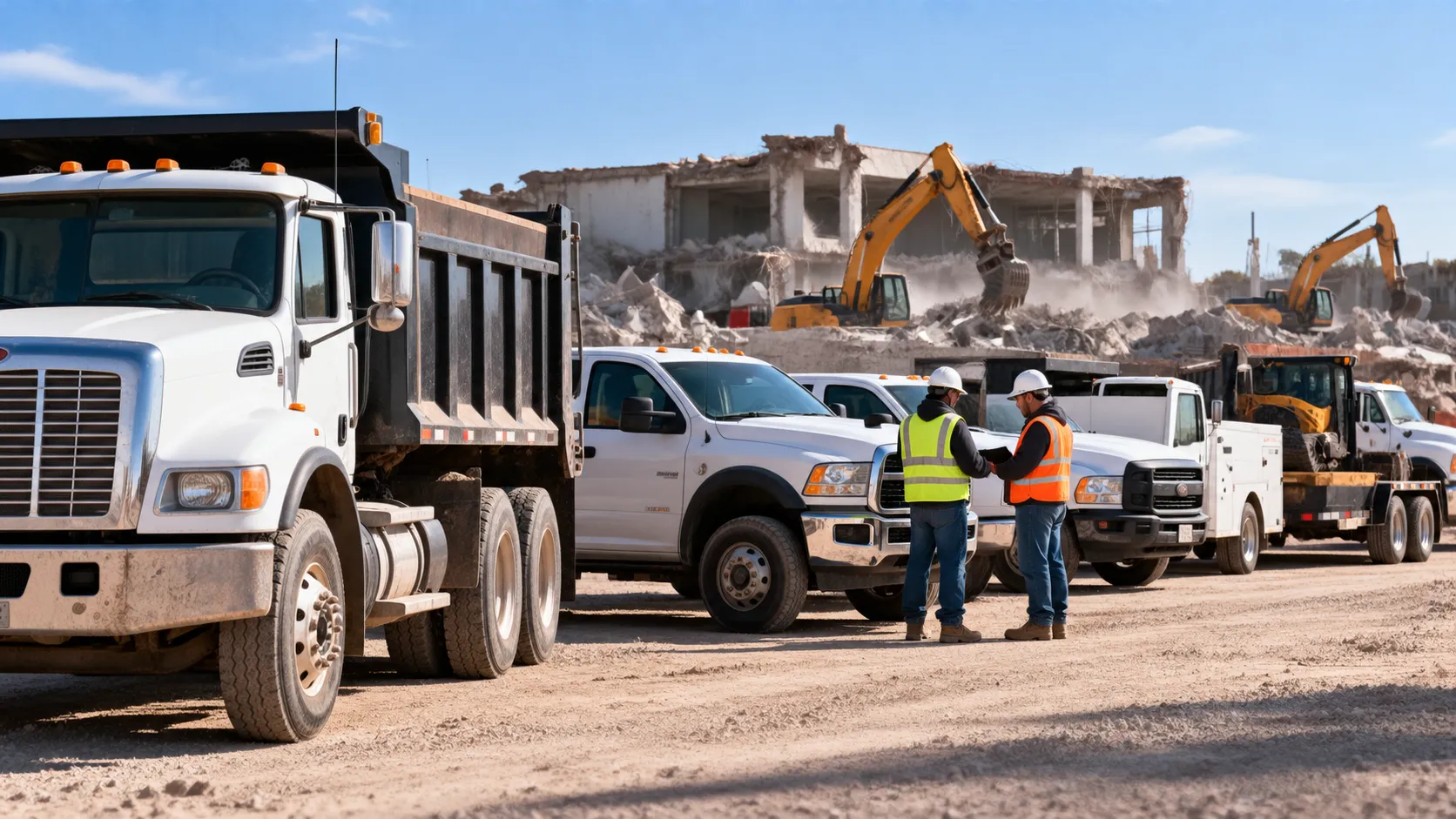
Dump trucks, pickups, trailers, service vehicles, and other commercial vehicles add another insurance component.
Commercial Auto pricing can be influenced by factors such as:
- Number of vehicles
- Types of vehicles
- Vehicle values
- Drivers
- Driving records
- Radius of operation
- Claims history
- Vehicle use
A demolition contractor with two pickup trucks presents a very different commercial auto exposure from one operating a substantial fleet of heavy vehicles.
12. Pollution Exposure
Demolition can involve environmental concerns that aren’t present in many other contracting operations.
Older buildings may contain materials requiring specialized handling.
Projects can also involve:
- Dust
- Debris
- Fuel
- Chemicals
- Existing contamination
- Other environmental exposures
Depending on the operations, Contractors Pollution Liability may be appropriate or required.
Adding specialized coverage increases the overall cost of the insurance program, but excluding a significant exposure simply to reduce premium can create a much more expensive problem later.
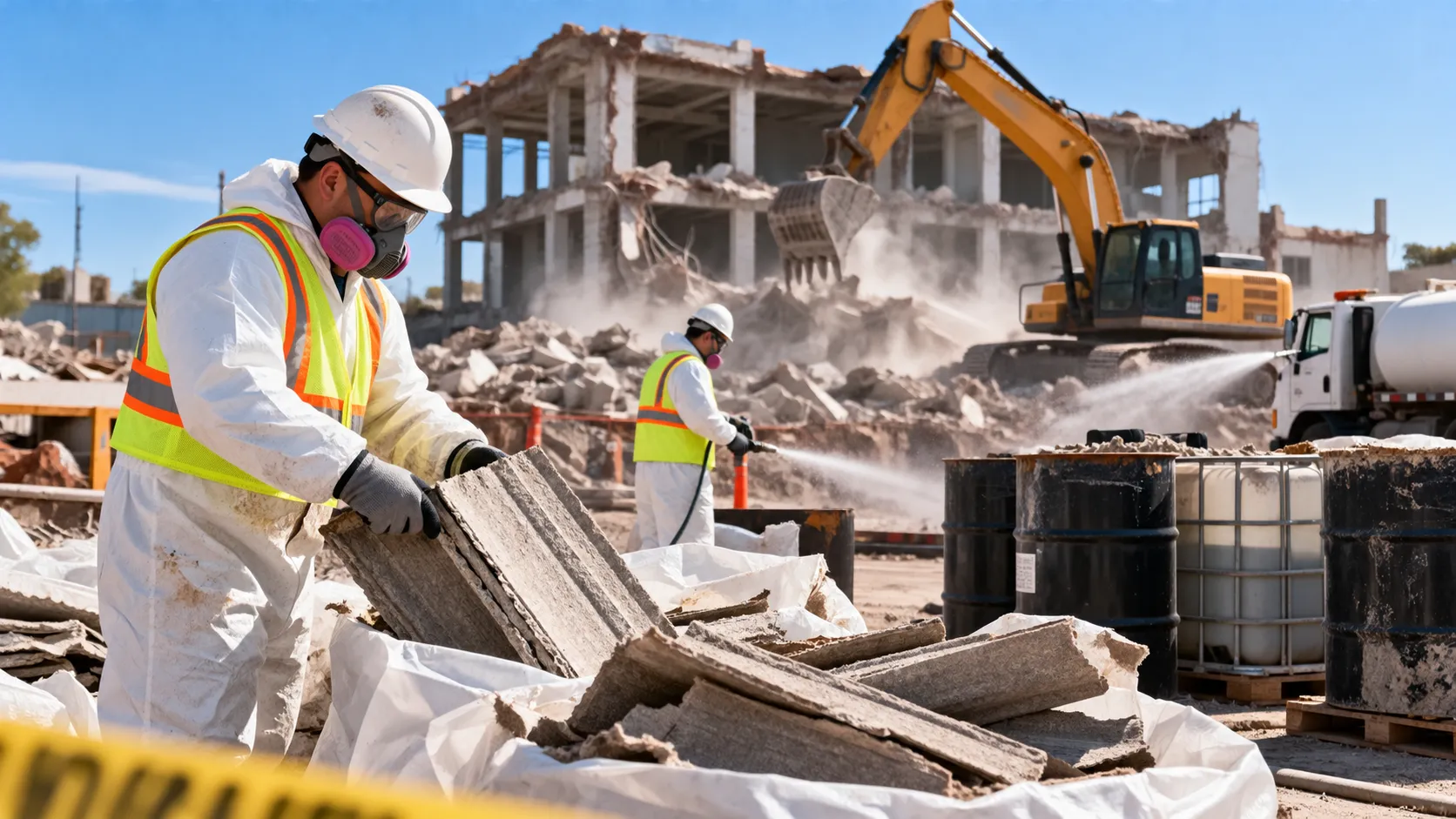
13. XC&U Exposure
Demolition contractors should understand how their liability policy addresses:
Explosion
Collapse
Underground
These exposures are commonly referred to as XC&U.
Collapse is particularly relevant to demolition, while underground work can create exposures involving utilities and other buried property.
A project’s insurance requirements may specify how these exposures must be addressed.
Policies and underwriting appetites vary, so contractors should review their actual operations and contract requirements rather than assuming every General Liability policy handles XC&U the same way.
14. Your Coverage Limits
Higher insurance limits generally mean more potential exposure for the insurer.
A contractor purchasing $1 million in liability coverage is asking the insurance market for a different level of protection than one needing substantially higher limits.
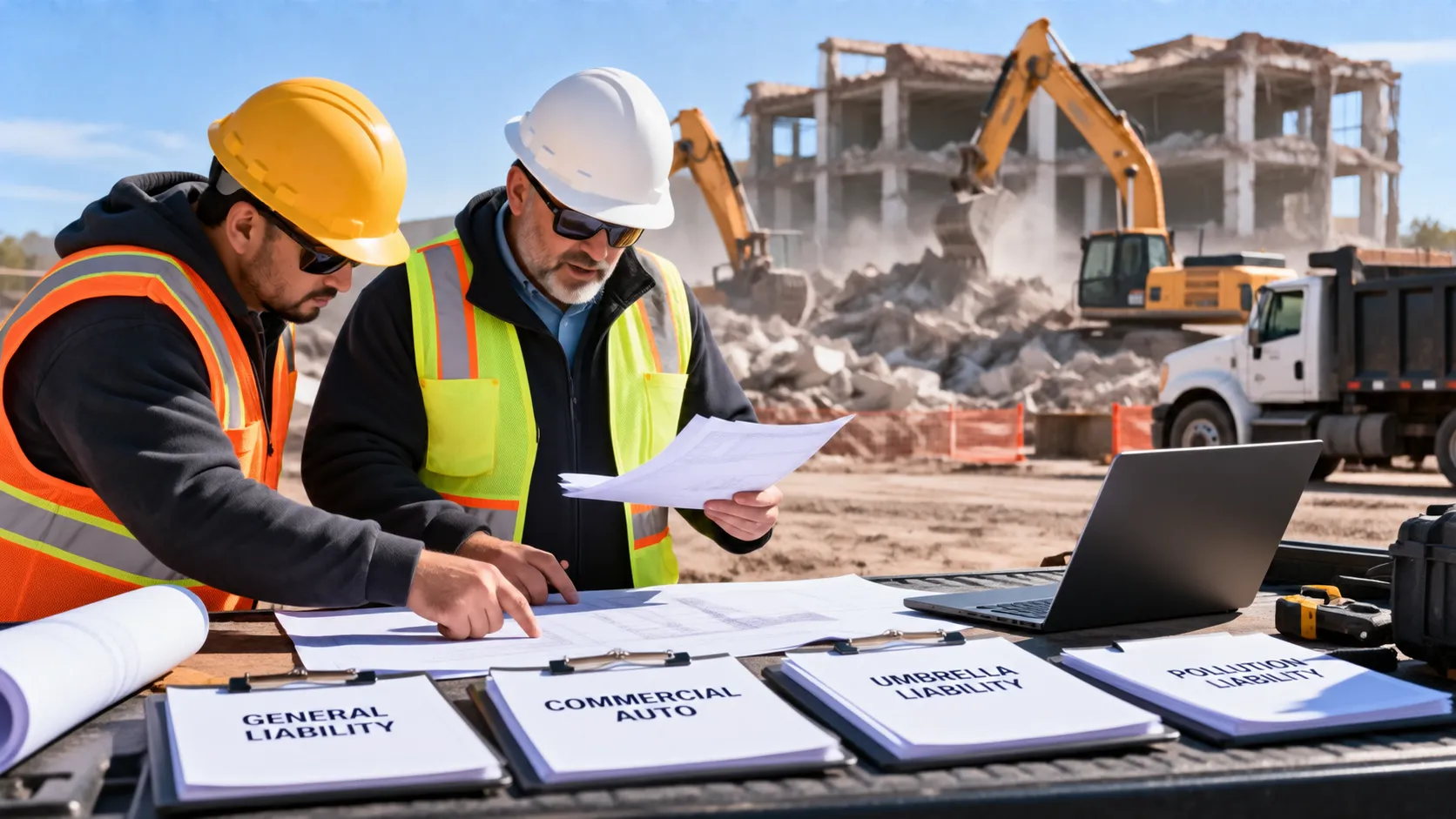
Demolition contracts may require:
- Specific General Liability limits
- Commercial Auto limits
- Umbrella or Excess Liability
- Pollution Liability
- Other project-specific limits
Larger projects may come with larger insurance requirements.
That can increase the contractor’s insurance cost.
15. Contract Requirements
Sometimes the contractor isn’t choosing additional insurance.
The customer is requiring it.
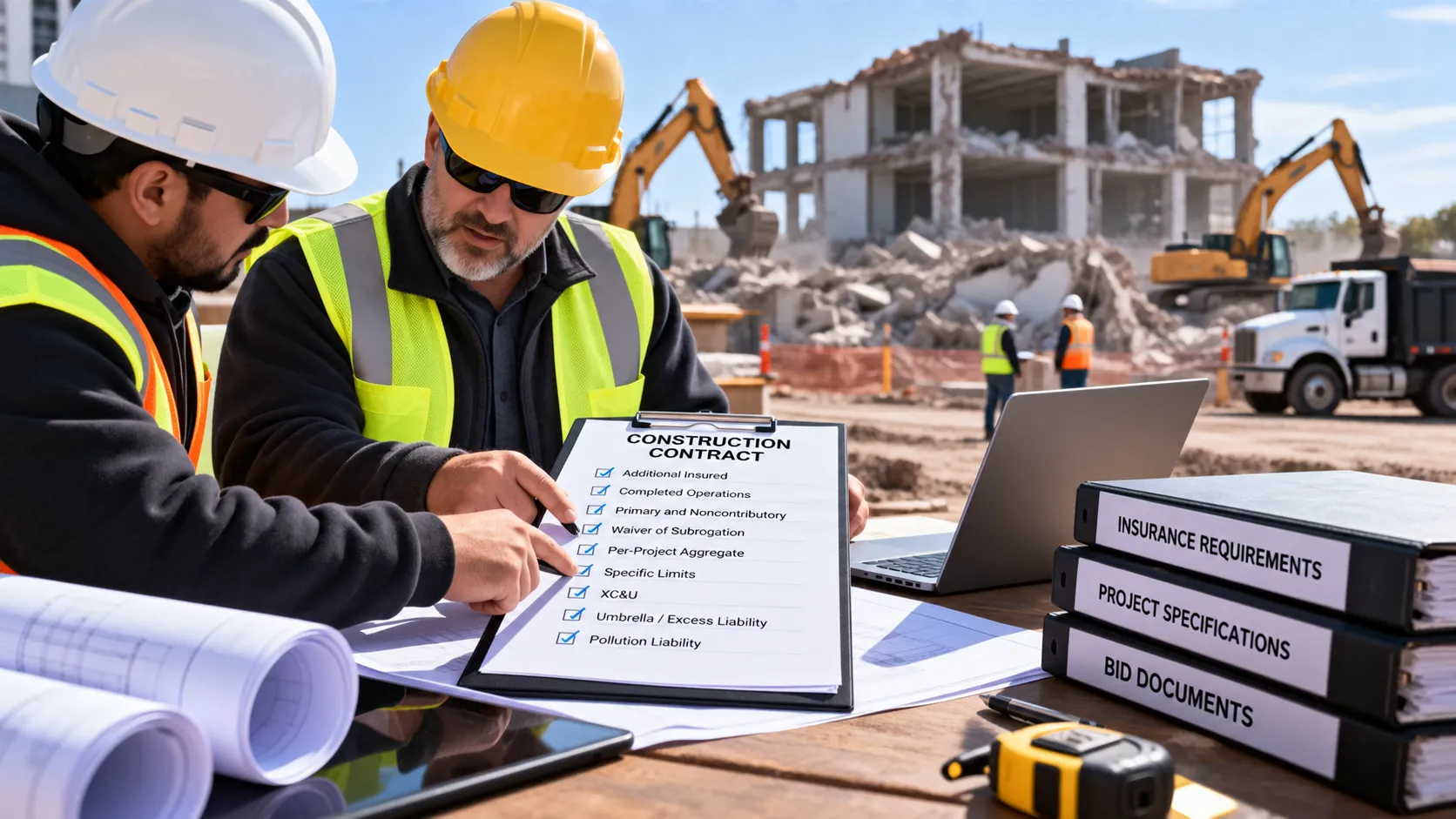
A construction contract may require provisions involving:
- Additional Insured status
- Completed Operations
- Primary and Noncontributory wording
- Waiver of Subrogation
- Per-Project Aggregate
- Specific limits
- XC&U
- Umbrella or Excess Liability
- Pollution Liability
Those requirements can affect which insurance markets are available and what the final program costs.
This is why insurance requirements should be reviewed before bidding the job.
Don’t Discover the Insurance Cost After You Win the Project
Imagine bidding a large demolition project with a 10% profit margin.
You win.
Then you send the contract to your insurance broker.
The project requires insurance your current program doesn’t provide.
Obtaining it adds a significant unexpected cost.
That cost comes directly out of the project’s profitability unless you accounted for it in the bid.
Insurance isn’t just an administrative requirement.
It can be a project cost.
Treat it like one.
16. Where You Work
Geography can affect insurance pricing too.
Demolition contractors may work:
- Locally
- Throughout a state
- Across several states
- Nationwide
Different jurisdictions can present different legal environments, Workers’ Compensation systems, contractual requirements, and underwriting concerns.
Tell the underwriter where you actually perform work and where you expect to operate during the policy period.

17. Your Financial Condition
For larger or more complex demolition accounts, underwriters may request financial statements.
Why would an insurance company care about your finances?
Because financial stability can say something about the overall health of the operation.
An underwriter may want to understand whether the company has sufficient financial resources to:
- Maintain equipment
- Hire qualified employees
- Manage projects
- Invest in safety
- Absorb deductibles
- Operate consistently
Financial strength isn’t the only consideration, but it can be part of the overall underwriting picture.

Why Two Demolition Contractors Can Receive Very Different Quotes
Let’s compare two hypothetical companies.
Demolition Company A
- $3 million annual revenue
- Primarily residential tear-downs
- Maximum project of $250,000
- Experienced management
- Minimal subcontracting
- Clean recent loss history
- Documented safety program
Demolition Company B
- $3 million annual revenue
- Large commercial structural demolition
- Maximum project of $1.5 million
- Significant subcontracting
- Multiple recent losses
- Limited safety documentation
Same revenue.
Completely different insurance profile.
That’s why asking another demolition contractor:
“What do you pay for insurance?”
may not tell you very much.
Their business isn’t your business.
What Is a Minimum Premium?
Specialty insurance programs may have a minimum premium.
That means the insurance carrier has established a minimum amount it is willing to charge for providing coverage within that program, even when a smaller account’s rating exposure might otherwise produce a lower calculated premium.
Minimum premiums vary by program, carrier, coverage, and underwriting circumstances.
This can be particularly relevant to smaller demolition contractors comparing specialty insurance with more general contractor programs.
Can You Lower the Cost of Demolition Contractor Insurance?
There is no magic checklist guaranteed to reduce your premium.
But there are things you can do to present a stronger risk.
Provide Complete Information
Incomplete applications create uncertainty.
Give underwriters the information they need.
Explain Your Claims
Don’t leave significant losses unexplained.
Show what happened and what changed.
Maintain Strong Safety Procedures
Document what you’re actually doing.
Manage Subcontractors
Use consistent contracts and insurance requirements.
Maintain Your Equipment
Document maintenance and inspection procedures where appropriate.
Review Projects Before Bidding
Understand whether a new project introduces insurance requirements outside your existing program.
Build a Long-Term Insurance Strategy
Don’t wait until renewal week to start thinking about your insurance.

The Cheapest Demolition Insurance May Not Be the Least Expensive
Price matters.
Every contractor needs to control overhead.
But insurance is one area where simply choosing the lowest premium can create unintended consequences.
Imagine saving money on insurance only to discover:
- Your largest projects exceed underwriting limitations
- A contract requires an endorsement you can’t obtain
- A significant operation wasn’t properly contemplated
- Your equipment limits are inadequate
- A project requires higher limits
- A relevant exclusion creates a coverage concern
A lower premium isn’t a bargain if the policy doesn’t match the business.
How to Prepare for a Demolition Insurance Quote
Before requesting pricing, gather information such as:
- Annual revenue
- Payroll
- Subcontracting costs
- Description of operations
- Project history
- Largest completed project
- Largest anticipated project
- Building heights
- Geographic territory
- Current insurance
- Loss runs
- Claims explanations
- Equipment schedule
- Vehicle information
- Safety programs
- Management experience
- Sample contracts
The goal is to give the underwriter a clear picture of the company.
Better information can lead to a more productive underwriting process.
Why Work With a Demolition Insurance Specialist?
Demolition is not a generic contractor class.
A specialty insurance professional understands why the underwriter is asking about:
- Structural demolition
- Maximum building height
- Excavation
- XC&U
- Subcontracting
- Neighboring structures
- Equipment
- Pollution
- Safety procedures
- Largest projects
That can make an important difference when presenting the account.
Apollo General Insurance Agency has decades of experience in specialty commercial insurance and offers dedicated programs for eligible demolition contractors.
Get a Demolition Contractor Insurance Quote
So how much will your demolition contractor insurance cost?
The answer requires understanding your business.
Apollo General Insurance Agency works with insurance professionals and eligible demolition contractors to evaluate specialized demolition risks, including residential tear-downs, commercial demolition, and interior strip-outs.
The underwriting process considers the actual operations rather than treating every demolition company as identical.
Learn more about Apollo General Insurance Agency’s demolition contractor insurance program.
Conclusion
There isn’t one useful average price for demolition contractor insurance.
The cost depends on the company behind the policy.
Your revenue matters.
Your payroll matters.
Your projects matter.
Your claims matter.
Your employees matter.
Your subcontractors matter.
Your equipment matters.
Your safety procedures matter.
And the contracts you’re trying to win matter.
Instead of asking only:
“How much does demolition insurance cost?”
Ask:
“What does an underwriter need to understand about our company to price our risk accurately?”
That’s a much better place to start.

Frequently Asked Questions About Demolition Contractor Insurance Costs
1. How much does demolition contractor insurance cost?
There is no single price. Premiums depend on operations, revenue, payroll, project size, claims, subcontracting, equipment, vehicles, coverage limits, geographic territory, and other underwriting factors.
2. Why is demolition insurance more specialized than ordinary contractor insurance?
Demolition can involve structural collapse, heavy equipment, neighboring properties, underground utilities, employees, subcontractors, and other specialized exposures.
3. Does annual revenue affect demolition insurance premiums?
Yes. Revenue may be one of the measurements used to evaluate the size and exposure of the business.
4. Does payroll affect demolition insurance costs?
Yes, particularly for Workers’ Compensation and potentially other coverage depending on the rating structure.
5. Does the size of my largest demolition project matter?
Yes. Underwriters may evaluate your largest completed and anticipated projects to understand potential exposure severity.
6. Does building height affect demolition insurance?
It can. Building height and structural complexity may affect eligibility and underwriting.
7. Does residential demolition cost less to insure than commercial demolition?
Not necessarily. The actual premium depends on the complete risk, although the type and complexity of demolition are important underwriting considerations.
8. Does subcontracting increase demolition insurance costs?
It can affect pricing and eligibility depending on how much work is subcontracted, which operations are subcontracted, and how subcontractors are managed.
9. Will previous claims increase my premium?
They can. Underwriters may consider claim frequency, severity, cause, and corrective actions.
10. Can one large insurance claim make my company uninsurable?
Not necessarily. The circumstances of the loss and steps taken afterward can be important.
11. Does having a safety program reduce demolition insurance premiums?
A strong safety program does not guarantee a lower premium, but safety practices can be an important underwriting consideration.
12. Does demolition equipment need separate insurance?
Contractors Equipment or Inland Marine coverage may be appropriate for qualifying equipment depending on the business and policy.
13. Does Commercial Auto increase the total cost of my insurance program?
Commercial vehicles represent a separate exposure and can add significantly to the total insurance cost depending on the fleet.
14. Do demolition contractors need pollution liability?
Some demolition operations have pollution exposures that may warrant specialized coverage. Requirements depend on the work and contracts involved.
15. Does XC&U coverage affect insurance cost?
Coverage addressing explosion, collapse, and underground exposures can affect underwriting, eligibility, and pricing depending on the operation and policy.
16. Do higher liability limits cost more?
Generally, purchasing higher limits can increase premium, although pricing depends on the insurance program.
17. Can a project’s insurance requirements increase my costs?
Yes. Additional limits, endorsements, pollution coverage, umbrella coverage, or other requirements may increase insurance costs.
18. What is a minimum premium?
A minimum premium is the lowest premium an insurer or program is willing to charge for providing a particular coverage, regardless of whether exposure-based calculations would otherwise produce a lower amount.
19. What information do I need to get a demolition insurance quote?
Be prepared to provide detailed information about revenue, payroll, operations, projects, subcontractors, claims, safety, equipment, vehicles, management experience, and current insurance.
20. Does Apollo General Insurance Agency offer demolition contractor insurance?
Yes. Apollo General Insurance Agency offers specialty insurance programs for eligible demolition contractors, including certain residential tear-down, commercial demolition, and interior strip-out operations.